

Key Takeaways
- Glasses correct your vision; they don’t damage it.
- Prescription changes happen because of age, genetics, and lifestyle, not glasses.
- Wearing the wrong prescription can cause eye strain and headaches.
- Children need regular eye exams to catch vision changes early.
- Myopia control options can help slow progression in kids.
The Truth About Glasses & Your Eyesight
You may have heard someone say that wearing glasses too often makes your eyes dependent on your lenses. This is a common concern, and it’s easy to see why the idea sticks around. When your prescription keeps going up, it feels like there has to be a cause.
However, glasses do not make your eyes worse. There’s no evidence that wearing glasses damages your eyesight or speeds up prescription changes. If you’ve noticed changes to your vision, you’re likely noticing natural changes that would have happened with or without your glasses.
At Stonebridge Eye Care, we help patients at every stage understand what’s driving those changes in their vision. If you’re not sure what to expect from an appointment, our eye exam walkthrough breaks it down step by step.
Why Your Prescription Gets Stronger Over Time
Age & Natural Eye Changes
It’s normal for your eyes to change over time. In fact, the lenses of your eyes gradually stiffen as you get older, which is why many adults start needing reading glasses in their 40s. Myopia, or nearsightedness, often increases steadily during childhood and young adulthood before leveling off.
These shifts happen because of how your eyes grow and age, not because of anything your glasses are doing. Think of it like your shoe size changing as a child. Shoes don’t cause your feet to grow; they just fit the size that your feet used to be.
Genetics & Lifestyle Factors
Your family history plays a big role in how your vision develops. If one or both of your parents are nearsighted, there’s a higher chance that you’ll also experience myopia. Genetics set the stage, and certain habits can influence how things unfold.
Spending long hours on screens or doing close-up work, like reading or studying, can contribute to eye strain and may relate to myopia progression in younger people. Taking regular breaks and spending time outdoors can support healthier vision habits, especially for kids.
What Happens When You Wear the Wrong Prescription
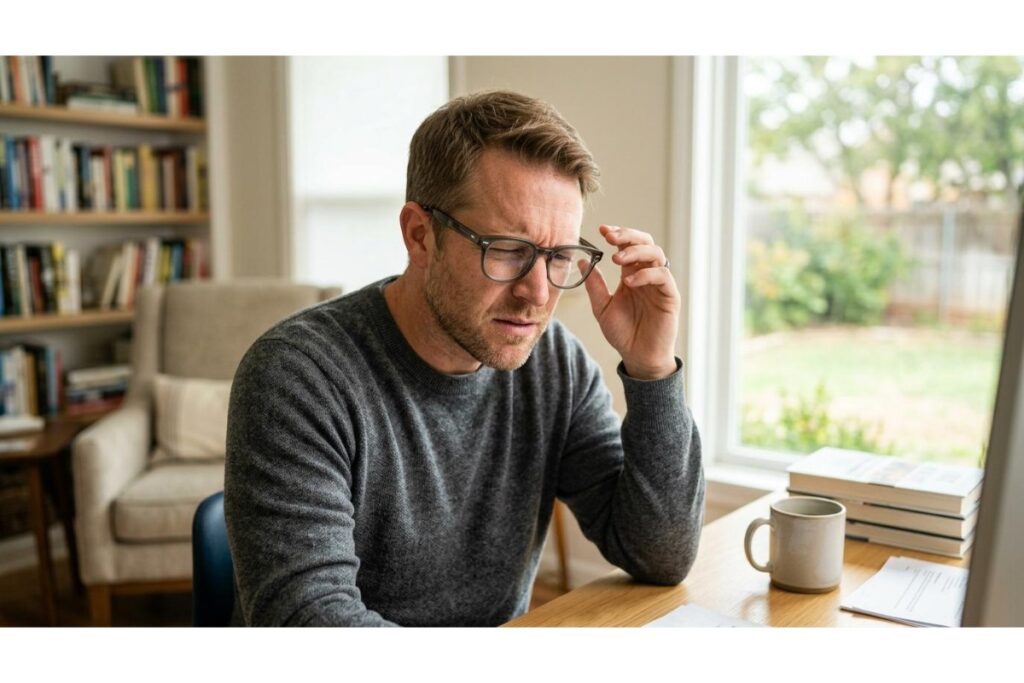
Wearing glasses that don’t match your current prescription can leave you with blurry vision, headaches, and tired eyes by the end of the day. This is because your eyes work overtime trying to compensate for lenses that aren’t quite right. That extra effort adds up. The American Optometric Association recommends eye exams every one to two years for adults, and more frequently for children, to keep prescriptions accurate.
Scheduling regular eye exams with your Edmond eye doctor means you’re not guessing whether your prescription still fits.
Glasses & Children’s Eyes: What Parents Should Know
What Happens If a Child Doesn’t Wear Their Glasses
In some cases, not wearing glasses can have a negative effect on a child’s vision. For instance, conditions like amblyopia, often called lazy eye, can worsen when the brain doesn’t receive a clear image from one or both eyes. The longer correction is delayed, the harder addressing the problem may become.
Myopia Control Options for Kids
If your child’s prescription keeps getting stronger, myopia control may be worth exploring. Myopia control involves using specialty glasses and contact lenses to slow the rate at which myopia progresses. You can learn more about myopia management resources for parents to get a clearer picture of what’s involved.
As your family eye care provider, our team at Stonebridge Eye Care can walk you through the options based on your child’s age, prescription, and lifestyle. Myopia control can support long-term eye health while giving kids the clearest possible vision day to day.
When to Schedule an Eye Exam
Blurry vision, frequent headaches, or tired eyes after screen time are all worth paying attention to. These symptoms often point to a prescription that needs updating, and an exam is the fastest way to confirm what’s going on. For people who spend long stretches in front of screens, a contact lens fitting or updated prescription can make a real difference in day-to-day comfort.
Children’s eyes change faster than adults’ eyes, so regular checkups matter even when nothing seems wrong. A child who struggles to see the board at school may not always say so, and routine exams can catch prescription shifts before they start affecting learning or daily life.
For adults managing conditions like dry eye or myopia, staying consistent with exams keeps your care on track. At Stonebridge Eye Care, we offer comprehensive eye exams for families across Edmond and the Oklahoma City area, and our team can help you figure out what’s behind any symptoms you’ve noticed.
If it’s been a while since your last visit, book an appointment with our team. We’ll make sure your prescription still fits and your eyes are doing well.