


Contact lenses are easy to take for granted. You put them in every morning, go about your day, and rarely think twice about them until something feels off. Maybe your vision seems hazier than usual, or your eyes feel tired before noon. Those little annoyances are worth paying attention to.
Your contact lenses may need to be updated if you notice:
- Blurry or hazy vision
- Uncomfortable eyes throughout the day
- Visible damage to your lenses
- Changes to your prescription
- New lifestyle habits and environments
Your optometrist can help you find lenses that actually work for your eyes and your life.
1. Your Vision Feels Blurry or Off
If things look hazy or soft through your lenses, that’s your eyes telling you something has changed. Eyesight rarely changes dramatically overnight. Instead, it drifts slowly. You might even adjust without realizing how much clarity you actually lost.
A few things to watch for:
- Blurry or hazy vision that your lenses used to correct
- Trouble focusing on things close up or far away
- Straining to read signs, screens, or small text
These issues often mean your current lenses no longer match your visual needs.
2. Your Eyes Feel Uncomfortable Throughout the Day
Some days, your contacts feel like you’re barely wearing them. Other days, they feel like sand. If discomfort is becoming routine, that’s not something to push through.
Pay attention to these signals:
- Dryness, itching, or a gritty sensation during the day
- Redness that shows up after only a short time of wear
- Lenses that shift around or don’t stay centered
Lenses that move or irritate your eyes throughout the day may simply be the wrong fit or the wrong material for your eyes now. Fit changes over time, and so do your eyes. The type of lens you wear plays a real role in how comfortable your eyes feel from morning to evening.
Dry eye symptoms can also be directly linked to your contact lenses. If your eyes feel dry and scratchy by midday, your lenses may be making dry eye harder to manage. That’s why a proper contact lens fitting takes dry eye into account. An optometrist can evaluate how your tear film holds up while you wear your lenses. They can recommend new lens materials to reduce that tired, gritty feeling.
3. Your Lenses Look Damaged or Worn Out
Contact lenses aren’t indestructible. Hold your lens up to the light before putting it in. If something looks wrong, trust that instinct. Look for these signs of wear and tear:
- Visible tears, nicks, or chips along the edge
- Cloudy spots or a film that won’t clean off
- Protein or deposit buildup that makes the lens look dull
A damaged lens sits unevenly on your eye and can scratch the surface with every blink. Worn lenses that have gone past their replacement date build up deposits that cleaning solutions can’t fully remove. Neither scenario is worth the risk to your eyes. Stick strictly to your replacement schedule and protect your long-term eye health.
4. Your Prescription Has Changed
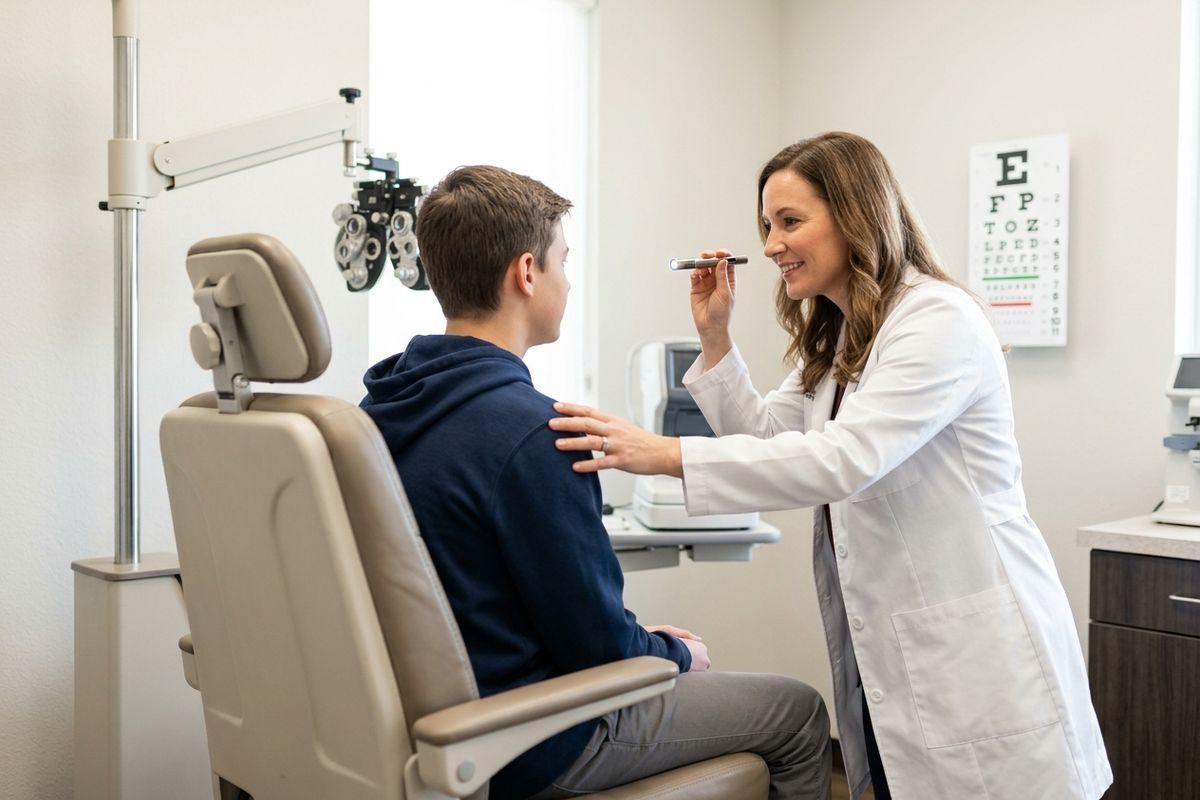
Vision changes gradually. You might not notice the difference until you sit down in an exam chair and read the chart. Routine eye exams recognize these subtle prescription updates before they cause daily headaches.
We recommend adults have a comprehensive exam every 1 to 2 years. Children need to be seen annually. Kids and teens especially need close monitoring for myopia. Nearsightedness frequently progresses year over year without the right optical support.
5. Your Daily Habits Look Different
The lenses that worked perfectly 2 years ago might not match how you use your eyes today. Increased screen time, a new job, or spending more hours outdoors completely alters what you need from your contacts.
Consider how your routine impacts your vision:
- Extended computer use increases digital eye strain with certain lens types
- Active lifestyles often require different materials or daily disposables
- Longer work hours may call for lens options designed for better all-day comfort
Your lenses should fit your life as it is now, not as it was when you first got fitted. Schedule a fitting review with an optometrist to match your current lenses with your daily environment.
Time for a Clearer View?
If any of these signs sound familiar, it may be time to take a closer look. Living with blurry or uncomfortable vision is incredibly frustrating. You deserve clear, comfortable sight from the moment you wake up until you go to bed.
Don’t settle for contacts that barely work. Book a contact lens fitting with Stonebridge Eye Care in Edmond and find lenses that fit your prescription, comfort needs, and everyday routine.