

Why Regular Eye Exams Matter for Your Vision & Health
It’s easy to assume your eyes are healthy if you’re not noticing any changes in your vision. However, many eye diseases progress quietly and can cause lasting damage before you ever feel anything. A yearly comprehensive eye exam allows your optometrist to catch problems early and tailor your care based on your age and visual needs.
Annual eye exams can detect problems early, monitor gradual changes in your vision, and even reveal health issues beyond your eyes — making them one of the most important steps you can take for your overall well-being.
Early Detection of Eye Diseases Before Symptoms Appear
Silent Conditions That Develop Without Warning Signs
Many serious eye diseases progress without any obvious symptoms in their early stages. You won’t feel pain, notice vision changes, or experience any discomfort that alerts you to a problem. Comprehensive eye exams use specialized equipment to detect these hidden conditions before they affect your daily life.
Three of the most common silent eye conditions include:
- Glaucoma — damages the optic nerve gradually
- Macular degeneration — affects central vision over time
- Diabetic retinopathy — damages blood vessels in the retina
How Early Treatment Protects Your Vision
When your Edmond eye doctor catches these conditions early, treatment options can slow or stop their progression. Many people maintain good vision for years when problems are identified before symptoms develop through professional eye disease diagnosis and management.
Without early detection, these diseases can cause irreversible vision loss that significantly impacts your daily life. Regular eye exams give you the power to protect your sight before it’s too late.
Monitor Changes in Your Vision Over Time
Tracking Vision Changes You Might Not Notice
Your vision changes gradually, and your brain adapts to these small shifts. You might not realize your eyesight has declined until the change becomes significant. Professional eye health assessments can detect over 270 health conditions that vision screenings alone cannot identify.
During annual eye exams, your optometrist can measure even subtle changes in your prescription. This tracking helps identify patterns and predict future vision needs.
When Prescription Updates Can Improve Daily Life
A small change in your prescription can make a huge difference in your comfort and clarity. You might experience less eye strain, fewer headaches, and improved focus at work or school.
Regular contact lens fitting appointments also help make sure your lenses still fit properly as your eyes change. Proper fit reduces irritation and helps maintain healthy eyes, especially when combined with proper contact lens care practices.
Screen for Health Problems Beyond Your Eyes
Conditions Your Eye Doctor Can Detect
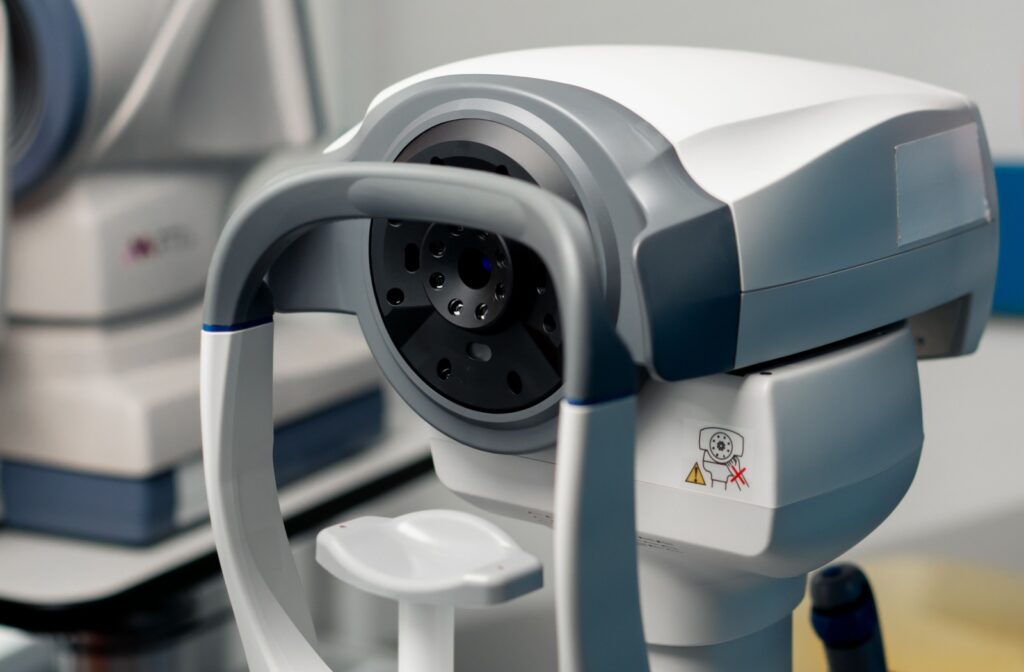
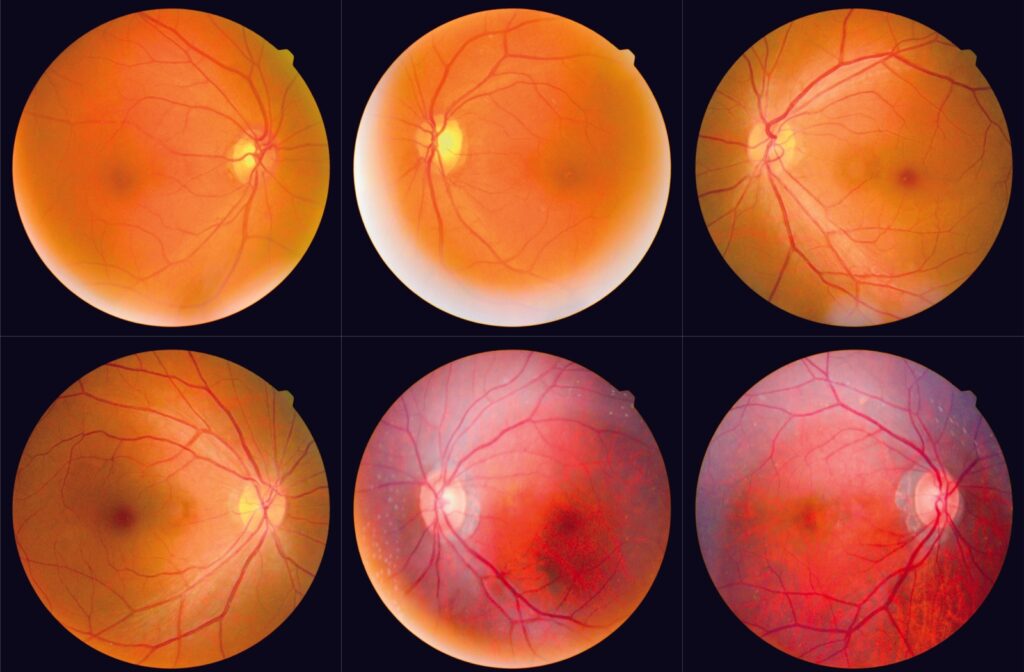
Your eyes provide a unique window into your overall health. During a comprehensive eye exam, your doctor uses advanced diagnostic technology—such as retinal imaging and high-resolution scans—to examine the blood vessels, optic nerve, and internal eye structures in detail. These tools allow many health conditions to be detected early, often without the need for routine dilation.
In some cases, your optometrist may still recommend dilation to get an even closer look or to monitor a specific concern.
Your eye doctor can often see early signs of systemic health issues by examining the blood vessels and internal structures of your eyes. Even if you’re already being treated by a family doctor or specialist, your eye exam plays an important role in monitoring how these conditions may be affecting your vision and eye health:
- Diabetes – Changes in the retinal blood vessels can show how well diabetes is being managed and may help prevent diabetic eye disease from progressing.
- High Blood Pressure – Damage or narrowing of blood vessels in the eye can be a sign of uncontrolled hypertension, even if a person isn’t experiencing symptoms.
- High Cholesterol – Fatty deposits in the retina or around the cornea may indicate elevated cholesterol levels and can point to an increased risk of cardiovascular disease.
- Autoimmune Conditions – Inflammation inside the eye or chronic dry eye can be linked to autoimmune diseases such as rheumatoid arthritis, lupus, or Sjögren’s syndrome. Eye exams can help monitor these changes and support ongoing medical care.
How Eye Exams Connect to Overall Health
Your eye exam doesn’t just check how clearly you can see—it’s also part of your preventive healthcare routine. When your optometrist sees changes inside the eye that may relate to a medical condition, they can coordinate with your family doctor or specialist to make sure nothing is missed. This is especially important for patients managing diabetes, high blood pressure, autoimmune conditions, or high cholesterol.
Early eye-based changes often appear before a patient notices symptoms, which means regular exams can help you stay ahead of serious complications, protect your vision, and support your overall health.
Address Digital Eye Strain & Modern Vision Challenges
Signs of Computer Vision Syndrome
Hours of screen time take a toll on your eyes, causing a range of uncomfortable symptoms. Many people experience these problems daily without realizing they have effective treatment options. Learning about computer vision syndrome can help you recognize when professional care is needed.
Common signs of digital eye strain include:
- Eye fatigue after computer work
- Headaches during or after screen use
- Blurred vision when looking at devices
- Dry eyes throughout the day
Solutions for Screen-Related Eye Problems
Your eye doctor can recommend specific strategies to reduce digital eye strain based on your work habits and symptoms. Options might include computer glasses, artificial tears, or changes to your workspace setup. The 20-20-20 rule provides a simple way to give your eyes regular breaks during screen work.
For persistent dry eye symptoms, specialized dry eye treatment can provide significant relief. Your doctor can identify the underlying cause and create a personalized treatment plan.
Maintain Proper Eye Care for Your Family
Why Children Need Regular Eye Exams
Children’s eyes develop rapidly, and vision problems can affect their learning and development. Many kids can’t express vision problems clearly or don’t realize their sight isn’t normal. Children’s eye exams are specifically designed to assess developing vision systems.
Family eye care helps catch issues like myopia early, when myopia control treatments work most effectively. Early intervention can slow the progression of nearsightedness in children.
Age-Related Vision Changes in Adults
As you age, your eyes naturally change in ways that affect your vision and eye health. You might develop presbyopia, dry eyes, or increased risk for certain eye diseases. Understanding presbyopia symptoms and treatment helps prepare you for these natural changes.
Regular monitoring helps your eye doctor adjust your treatment plan as your needs change. This proactive approach helps maintain comfortable vision at every stage of life.
What to Expect During Your Annual Eye Exam
A comprehensive eye exam includes vision testing, eye pressure measurement, and examination of your eye structures. Your doctor can explain each step and answer any questions you have.
Your visit typically takes 30-60 minutes, and most tests are comfortable and painless. You’ll leave with a clear understanding of your eye health and any recommended next steps.
At Stonebridge Eye Care, we take the time to listen to your concerns, explain your options, and help you make informed decisions about your eye health. Whether you need an eye exam, dry eye relief, or help managing a chronic condition, our team is here to support your vision and comfort.
Schedule your annual eye exam today to protect your sight and maintain healthy vision for years to come.